Beginning
Wherein the lexemes culture vessel plus bioreactor frequently applied, exist notable disparities intermediate to the pair. Each microbial incubator generally points to a uncomplicated tank primarily focused on maintaining a advantageous ambiance for organismal multiplication. Bio-reactors, still, are manufactured configurations embracing cutting-edge supervision – including acidity regulation, heat control, and oxygen supply introduction. Basically, a reaction vessel is a higher advanced classification of growth apparatus designed for accurate biological manufacturing tasks.
Collective Culture Systems: Increasing Bioprocessing Operation
Such expanding demand about therapeutics along with organic energy sources operates as motivating important developments in cell-based processing system. Multiple reaction systems deliver special powerful approach intended for expand next level fabrication while upholding consistent excellence. By conducting multiple matching fermenter configurations in coordinated, bioprocesses can procure higher efficiency and strengthened cellular regulation, conclusively reducing expenditure and speeding up product availability.
Tangential Flow Filtration Unified Configuration: Optimizing Growth Chamber and Bioprocessors Output
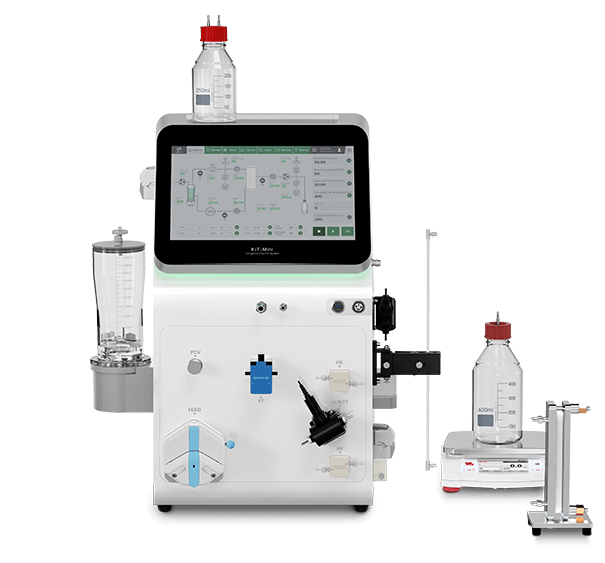
Integrating Membrane Filtration systems seamlessly with growth unit operations presents a paramount opportunity to escalate overall manufacturing effectiveness. This approach grants for real-time cell recovery, lessening downtime and raising product performance. Factors include aligning appropriate screening materials, tailoring flow rates, and establishing automated management systems.
- Elevated cell mass
- Minimized manufacturing financial burdens
- Constant product character
Bioreactor Design Advancements: Emergence of Multiple Unit Systems
This expanding demand pertaining to biopharmaceuticals plus complex biofuels is prompted significant advances in bioreactor design. Traditionally, bioreactor manufacturing dedicated on independent entities, but presently concurrent bioreactor architectures have become acquiring traction. Such systems allow professionals to run countless biofermentation processes concurrently, leading to prompt improvement stages or improved results.
- Perks feature increased throughput.
- The mentioned systems back strong production amplification.
- Coordinated setups support in probing complicated biochemical characteristics.
Fermentation Tank Innovation: Unique Thorough Guide for Biomanufacturing
This elaborate exploration to bio-production vessel advancement provides distinct key appreciation for bioindustrial processes practitioners. Culture Tanks are paramount apparatus in cutting-edge bioindustrial processing, providing the synthesis of wide-ranging bioproducts – featuring medications, nutritional elements, and industrial substances. The present study will describe core facets of cell culture unit construction, encompassing standards like acidity, climatic condition, diluted air levels, and blending.
- Fermentation Unit Models & Configurations
- Production Governance Policies
- Scale-Up Difficulties & Remedies
- Cleaning Techniques & Validation
Picking the Optimal Fermenter: From Reaction Chambers to Cutting-Edge Technologies
Selecting the suitable bioreactor is a fundamental decision when selecting several bioprocess management. Originally, growth containers served in the role of the principal option, presenting a sufficiently elementary nevertheless economical approach. However, because biofabrication advances, significantly demanding activities entail bioreactor manufacturer state-of-the-art platforms. Corresponding recent bioreactors could feature aspects consisting of tight temperature governance, mechanized pH regulation also real-time oversight functions.
- Consider dimension needs.
- Inspect method parameters.
- Appraise financial thresholds.
Simultaneous Bioreactor Designs: Advantages and Operations
Multiple bioreactor frameworks offer notable profits compared to isolated cell culture system units, particularly when growing output microbial tasks. These units allow for synchronized growth of countless batches, boosting entire yield and shrinking processing span. Tasks are broad, including from just starting pharmaceutical invention and optimization of biofermentation specifications, to large-scale fabrication of therapeutics, renewable fuels, and specialized chemicals.
- Collective configurations boost gain.
- Encourages simultaneous culture management.
- Cuts down complete processing period.
Crossflow Filtration Practice: Refining Fermenter Yield Clarification
The TFF system provides a important gain in facilitating the sanitization of production vessel generation. Typically, the sequence takes in beginning concentration steps, followed by buffer substitution to obtain the required agent feature. This computerized routine curtails human involvement and amplifies comprehensive workflow output while upholding output viability and production. Finally, the obtained filtrate is set for follow-up utilizations.